
 English
 Ελληνικά
 Italiano
 Português
 Română
 Español


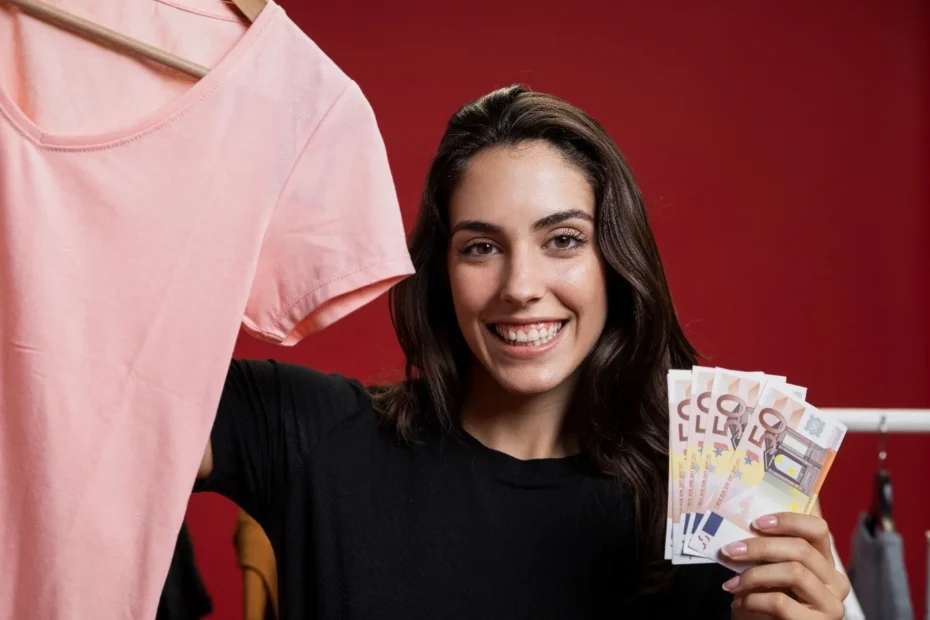
Moda jest zabawna, ekspresyjna i dodaje pewności siebie – ale bądźmy szczerzy, potrafi też być studnią bez dna. Jeśli jesteś młodą osobą dorastającą w erze TikToka, influencerów na Instagramie
i nieustannych zmian trendów, presja ciągłego odświeżania garderoby jest jak najbardziej realna. Oczekuje się, że nie tylko będziesz wyglądać stylowo, ale też nadążać za najnowszymi modowymi nowinkami – a to kosztuje.
Prawda jest jednak taka, że śledzenie każdego trendu nie tylko opróżnia portfel, lecz także napędza jedną z najbardziej szkodliwych dla środowiska branż na świecie. Co gorsza, model szybkiej mody – oparty na cyklu: kup, użyj, wyrzuć – został zaprojektowany tak, by skłonić cię do wydawania coraz większych kwot na ubrania, które szybko tracą na jakości i aktualności.
Prawdziwa cena szybkiej mody
Szybka moda zachęca do kupowania tanich ubrań, noszenia ich zaledwie kilka razy, a następnie wyrzucania – często jeszcze w tym samym sezonie. Ten liniowy model może na pierwszy rzut oka wydawać się przystępny cenowo, ale w rzeczywistości kosztuje znacznie więcej – zarówno ciebie, jak
i naszą planetę.
Przeanalizujmy to:
- Młodzi Europejczycy w wieku 16–29 lat wydają średnio 670 euro rocznie na odzież i obuwie (Eurostat, 2023).
- Przeciętny mieszkaniec Europy wyrzuca rocznie 11 kg tekstyliów, a tylko niewielka część z nich jest poddawana recyklingowi (European Environment Agency, 2022).
- Branża modowa odpowiada za 10% globalnej emisji dwutlenku węgla i prawie 20% globalnej produkcji ścieków (UNEP, 2019).
Dodajmy do tego nieetyczne warunki pracy oraz degradację środowiska spowodowaną masową nadprodukcją tanich ubrań, a staje się jasne: szybka moda to nieuczciwa gra, w której największą cenę płacą inni – ludzie, zwierzęta i planeta.
Tańsze (i ekologiczne) alternatywy
Na szczęście jest też dobra wiadomość: istnieją bardziej świadome, ekologiczne i przyjazne dla portfela sposoby na wyrażenie swojego stylu – bez napędzania machiny szybkiej mody. Kontrolowanie wydatków na ubrania nie oznacza rezygnacji z dobrego wyglądu. To po prostu zmiana podejścia:
z „więcej” na „lepiej”.
Oto, jak możesz to osiągnąć:
👚 Kupuj używane rzeczy
Sklepy z używaną odzieżą, butiki vintage oraz platformy internetowe do odsprzedaży, takie jak Vinted czy Depop, to prawdziwe kopalnie modowych perełek – i to za ułamek ceny detalicznej. Dzięki nim możesz nosić coś unikalnego, a przy okazji przedłużać życie ubrań i ograniczać modowe odpady
✂️ Nadaj styl i drugie życie ubrań
Masz bluzę z kapturem, która wyszła z mody? Skróć ją. Podarte dżinsy? Dodaj naszywki. Nauka podstaw szycia i upcyklingu może tchnąć nowe życie w twoją garderobę, nadać jej unikalny charakter – i przy okazji pozwolić ci sporo zaoszczędzić.
🧵 Wspieraj zrównoważoną modę
Zamiast kupować pięć koszulek za 10 euro, które szybko się niszczą, postaw na jedną lub dwie od sprawdzonych, etycznych marek, które produkują w sposób odpowiedzialny. Może zapłacisz trochę więcej na początku, ale wyższa jakość i trwałość sprawią, że w dłuższej perspektywie to bardziej opłacalny wybór.
🔁 Wymieniaj się z przyjaciółmi
Wymieniaj się ubraniami z przyjaciółmi – to nic nie kosztuje, jest świetną zabawą i pozwala odświeżyć garderobę bez wydawania ani grosza.
📱 Selekcjonuj źródła informacji
Zwracaj uwagę na konta, które obserwujesz w mediach społecznościowych. Jeśli ktoś stale zachęca cię do zakupów, lepiej przestać go obserwować i skupić się na osobach promujących świadome podejście do mody.
Moda nie musi kosztować majątku
Bycie modnym nie musi oznaczać marnotrawstwa. W rzeczywistości nic nie świadczy o pewności siebie bardziej niż świadomość tego, kim jesteś, ubieranie się zgodnie z własnym gustem i nieuleganie każdej przemijającej modzie.
Możesz z łatwością wyróżniać się elegancją, kreatywnością i osobowością – nie przekraczając budżetu
i nie przyczyniając się do zanieczyszczenia środowiska. Zrównoważona moda to nie tylko trend, to sposób myślenia. To podejście, które doskonale łączy dbałość o planetę z rozsądnym gospodarowaniem pieniędzmi i budowaniem przyszłości, z której możesz być dumny/a.
Więc następnym razem, gdy skusi cię koszulka za 5 euro, której tak naprawdę nie potrzebujesz, zadaj sobie pytanie: czy to naprawdę jest tego warte?
Bibliografia
- European Environment Agency (2022). Textiles and the environment: the role of design in Europe’s circular economy. https://www.eea.europa.eu
- Eurostat (2023). Household consumption by purpose. https://ec.europa.eu/eurostat
- United Nations Environment Programme (UNEP) (2019). Putting the brakes on fast fashion. https://www.unep.org
- Ellen MacArthur Foundation (2021). A New Textiles Economy: Redesigning fashion’s future. https://ellenmacarthurfoundation.org