
 Ελληνικά
 Italiano
 Polski
 Português
 Română
 Español


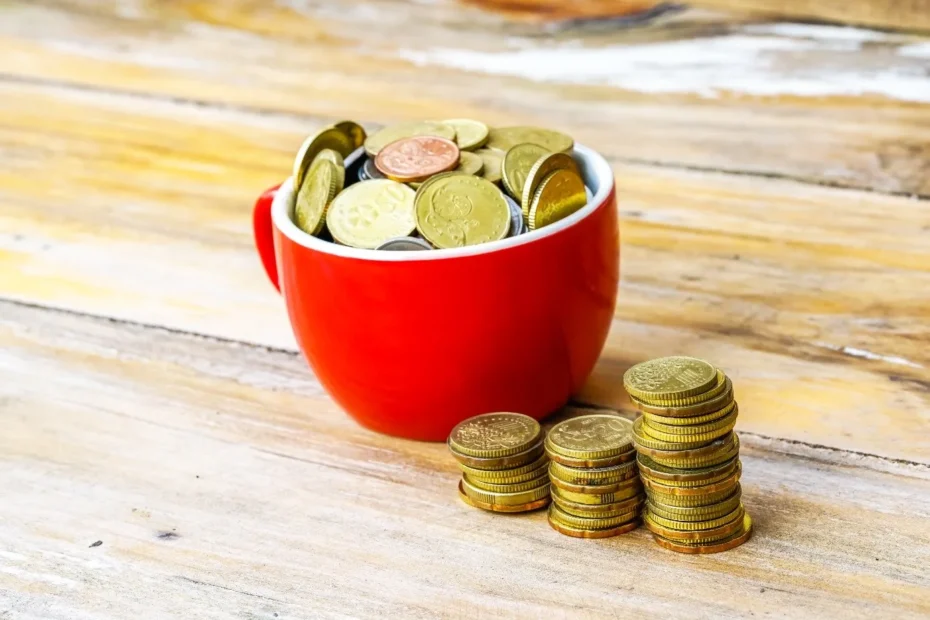
Do you spend money on everyday things that you could probably live without? Buying a latte from your favourite café on the corner, grabbing a quick snack at the checkout, or picking up a small gadget you don’t really need – after all, it’s not a big expense. It’s just an amount we can easily afford. But have you ever thought about how much you could save if you added up all those small and innocent purchases? Over time, these little choices and habits can quietly grow into a much bigger financial impact.
How does the latte effect work, and what impact can it have on you?
The latte effect is a term introduced by financial author David Bach, founder of FinishRich Media. The idea is simple: small, routine expenses – like buying a daily latte – can add up over time and represent money that could instead be saved and invested. Of course, it’s not just about coffee; it applies to any regular, low-cost purchases we make without much thought. Research suggests that a striking 36% of people globally have less than €100 in savings, and more than half have under €1,000.[1] This underscores how even modest, routine expenditures can significantly erode fragile financial buffers.
The latte as a metaphor
Consider the cost of a latte today. In many European cities in 2025, the price of a medium latte is around €4.00, with an additional charge of about €0.70 – €1.00 if you choose plant-based milk such as oat or soy. Even at this price, the daily habit adds up more than we might expect:
- Per day: €4 for one latte
- Per week: €4 × 5 weekdays = €20
- Per month: roughly 4 weeks × €20 = €80
- Per year: 12 months × €80 = €960
That’s nearly a thousand euros each year spent on a simple routine purchase – money that could instead be redirected toward savings, investments, or more meaningful experiences.
But the “latte” in the latte effect isn’t just about coffee. It is a metaphor for any small, recurring purchase: impulse snacks, extra streaming subscriptions, or little conveniences we buy without much thought. The power of the concept lies in making us pause and ask: what else could I do with that €960?
Rethinking everyday choices
The latte effect isn’t about giving up everything you enjoy – it’s about becoming conscious of how small, repeated decisions shape your finances over time. When you stop to consider whether each purchase is worth it, you gain the ability to spend with purpose rather than out of habit. That doesn’t mean you should never enjoy a coffee or a treat; it means recognising the balance between instant gratification and long-term value. By rethinking everyday choices, you create space for more meaningful priorities -whether that’s building savings, investing in your future, or funding experiences that truly enrich your life.
References:
https://www.moneydigest.com/1531158/what-is-latte-effect-how-does-it-affect-you/
https://www.becomingminimalist.com/latte-factor/
https://oxygenfinancial.com/blog/the-latte-effect-how-much-could-you-be-saving
[1] Envestnet | Yodlee. “Low Savings: 36% of People Have Less than $100 in Savings.” Last modified 2023. https://www.yodlee.com/data-analytics/low-savings-36-people-have-less-100-savings