
 English
 Italiano
 Polski
 Português
 Română
 Español


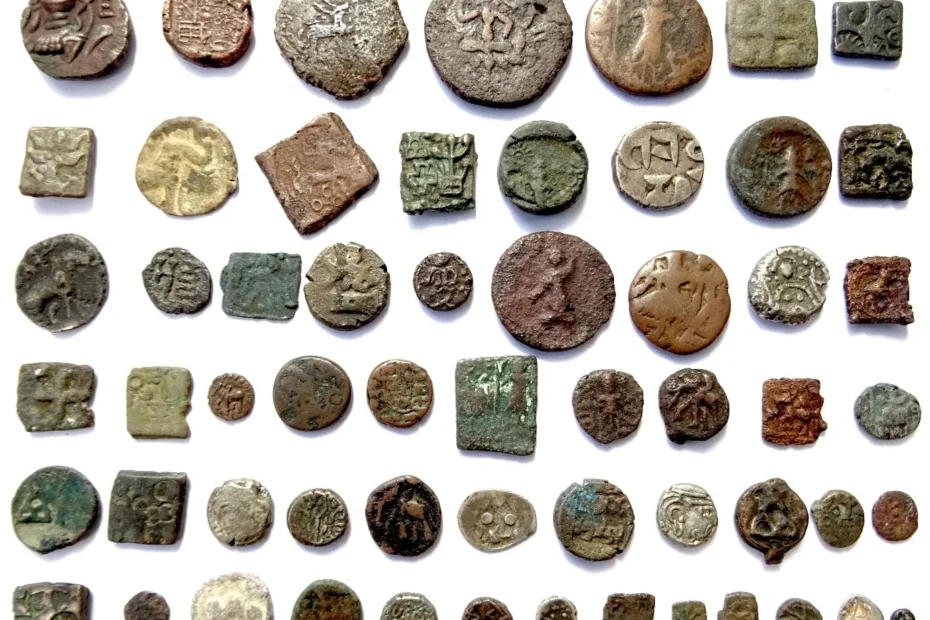
Στα πρώτα χρόνια του ανθρώπινου πολιτισμού, ο πιο συνηθισμένος και διαδεδομένος μηχανισμός για την πραγματοποίηση οικονομικών συναλλαγών ήταν η ανταλλαγή: η ταυτόχρονη ανταλλαγή ενός προϊόντος με ένα άλλο. Με αυτόν τον τρόπο, ένας ψαράς μπορούσε, για παράδειγμα, να παραδώσει ένα κομμάτι ψάρι σε έναν σιδηρουργό σε αντάλλαγμα για σιδερένια καρφιά. Ωστόσο, καθώς ο πολιτισμός άρχισε να αναπτύσσεται, οι εμπορικές συναλλαγές έγιναν όλο και πιο περίπλοκες. Από τη μία πλευρά, έγινε δύσκολο να μετρηθούν με ακρίβεια τα αγαθά για να διασφαλιστεί ότι οι ποσότητες που ανταλλάσσονταν ήταν ισοδύναμες σε αξία, καθώς και να μεταφερθούν μεγάλες ποσότητες βαρέων και ογκωδών προϊόντων στα μέρη όπου γίνονταν οι ανταλλαγές. Από την άλλη πλευρά, ήταν συχνά δύσκολο να βρεις κάποιον που ήθελε ταυτόχρονα αυτό που είχες και ήταν πρόθυμος να προσφέρει σε αντάλλαγμα αυτό που ήθελες.
Το χρήμα εμφανίστηκε ως ένας τρόπος επίλυσης όλων αυτών των δυσκολιών. Ήταν εύκολο να μεταφερθεί, να χωριστεί και να αποθηκευτεί, ενώ έλυσε και το ζήτημα του προσδιορισμού των ισοδύναμων αξιών στις ανταλλαγές.
Τα πρώτα αντικείμενα που χρησιμοποιήθηκαν ως χρήμα περιλάμβαναν βοοειδή, σίδηρο, αλάτι, κοχύλια, παστό μπακαλιάρο, δέρματα ζώων, σιτηρά, ζάχαρη, καπνό, καρφιά και παρόμοια αγαθά. Με την πάροδο του χρόνου, τα πολύτιμα μέταλλα όπως το ασήμι και ο χρυσός έγιναν σταδιακά η προτιμώμενη μορφή εμπορευματικού χρή
Στη Μεσοποταμία, το ασήμι χρησιμοποιήθηκε υπό το βασίλειο του βασιλιά Σινκασίντ, ο οποίος κυβέρνησε την Ουρούκ τον 19ο αιώνα π.Χ. Οι ιστορικοί έχουν ανακαλύψει τον πρώτο γνωστό τιμοκατάλογο, ο οποίος δείχνει την ποσότητα των αγαθών που μπορούσαν να αποκτηθούν με ένα σέκελ, μια συγκεκριμένη ποσότητα ασημιού. Ορισμένοι νομικοί κώδικες της Μεσοποταμίας, όπως ο Κώδικας του Χαμουραμπί, καθόριζαν επίσης πρόστιμα για όσους διέπρατταν αδικήματα, εκφρασμένα σε σέκελ.
Το ασήμι και ο χρυσός, σε αντίθεση με τα σιτηρά, δεν αλλοιώνονταν, γεγονός που τα καθιστούσε εξαιρετικά χρήσιμα και τα μετέτρεψε σε ευρέως αποδεκτά μέσα πληρωμής σε κάθε περιοχή.Οι περιοχές που διέθεταν φυσικούς πόρους χρυσού ή αργύρου απολάμβαναν σημαντικά οικονομικά πλεονεκτήματα. Αυτό συνέβαινε στο βασίλειο της Λυδίας, στη δυτική Μικρά Ασία (σημερινή Τουρκία), όπου δημιουργήθηκαν τα πρώτα νομίσματα στην ιστορία.
Οι Λυδοί βασιλιάδες εξέδωσαν τα πρώτα νομίσματα που είναι γνωστά στο τέλος του 7ου αιώνα π.Χ., κατασκευασμένα από λευκόχρυσο, που ονομάζεται επίσης «ηλεκτρον». Ήταν σφραγισμένα, ελαφρώς στρογγυλεμένα και πεπλατυσμένα.
Με την πάροδο του χρόνου, ορισμένες εικόνες αντικατέστησαν πλήρως τις αρχικές χαραγές (γραμμώσεις) των νομισμάτων. Τα μοτίβα που συναντώνται συχνότερα στα αρχαία νομίσματα από ήλεκτρο απεικονίζουν ζώα, ολόκληρα ή τμήματά τους. Ανάμεσά τους περιλαμβάνονται άγρια και οικόσιτα ζώα, πραγματικά και μυθικά πλάσματα, καθώς και χερσαία, υδρόβια και πτερωτά είδη, τόσο σπονδυλωτά όσο και ασπόνδυλα.
Η ιδέα υιοθετήθηκε γρήγορα από τους Έλληνες και σύντομα σχεδόν όλες οι ελληνικές πόλεις και αποικίες από τη νότια Γαλλία έως τις βόρειες ακτές της Μαύρης Θάλασσας άρχισαν να παράγουν τα δικά τους νομίσματα.
Αργότερα, τον 3ο αιώνα π.Χ., οι Ρωμαίοι υιοθέτησαν το νομισματικό σύστημα των Ελλήνων και δημιούργησαν την πρώτη πλήρως νομισματοποιημένη κοινωνία. Τα νομίσματα χρησιμοποιούνταν στις καθημερινές συναλλαγές των περισσότερων Ρωμαίων, δημιουργώντας τεράστια ζήτηση. Οι Ρωμαίοι εκμεταλλεύτηκαν αυτή τη ζήτηση και έγιναν ειδικοί στη χρήση των νομισμάτων ως μορφή προπαγάνδας. Ανέπτυξαν μια «γλώσσα» συντομογραφιών και συμβόλων στα νομίσματά τους, μερικά από τα οποία χρησιμοποιούνται ακόμα και σήμερα.
Μετά την πτώση της Ρωμαϊκής Αυτοκρατορίας, η χρήση των νομισμάτων συνεχίστηκε, αλλά το εμπόριο και η οικονομική δραστηριότητα έγιναν πιο τοπικά.Κατά τη διάρκεια του Μεσαίωνα στην Ευρώπη, τα νομίσματα κόβονταν συχνά από τοπικούς ηγεμόνες, και η αξία τους μπορούσε να διαφέρει σημαντικά από περιοχή σε περιοχή. Για να διευκολύνουν τις μεγαλύτερες συναλλαγές, οι έμποροι και οι τράπεζες άρχισαν να εκδίδουν γραμμάτια και συναλλαγματικές, θέτοντας τα θεμέλια για τις πρώτες μορφές χαρτονομισμάτων.
Το χαρτονόμισμα εμφανίστηκε για πρώτη φορά στην Κίνα κατά τη διάρκεια των δυναστειών Τανγκ και Σονγκ και αργότερα εξαπλώθηκε στην Ευρώπη τον 17ο αιώνα. Σε αντίθεση με τα νομίσματα, το χαρτονόμισμα ήταν ευκολότερο στη μεταφορά και επέτρεψε τη δημιουργία πιο σύνθετων εμπορικών δικτύων.Με την πάροδο του χρόνου, οι εθνικές κυβερνήσεις και οι κεντρικές τράπεζες καθιέρωσαν επίσημα νομίσματα, ρύθμισαν την αξία τους και εισήγαγαν τυποποιημένα τραπεζικά συστήματα.
Στη σύγχρονη εποχή, το χρήμα συνέχισε να εξελίσσεται. Οι ψηφιακές μέθοδοι πληρωμής, οι πιστωτικές κάρτες και το ηλεκτρονικό τραπεζικό σύστημα έχουν μεταμορφώσει τον τρόπο με τον οποίο οι άνθρωποι πραγματοποιούν συναλλαγές. Πιο πρόσφατα, έχουν εμφανιστεί κρυπτονομίσματα όπως το Bitcoin, προσφέροντας νέους τρόπους αποθήκευσης και μεταφοράς αξίας χωρίς την ανάγκη των παραδοσιακών τραπεζών.Παρά τις τεχνολογικές καινοτομίες, ο θεμελιώδης ρόλος του χρήματος παραμένει αναλλοίωτος: εξακολουθεί να λειτουργεί ως μέσο ανταλλαγής, μέσο αποθήκευσης αξίας και μονάδα μέτρησης.
Αναφορές:
- American Numismatic Association. (n.d.).
Έκθεση για την ιστορία του χρήματος.https://www.money.org/money-museum/history-of-money/ - Britannica. (χ.χ.).
Προέλευση των νομισμάτων. https://www.britannica.com/money/coin/Origins-of-coins - Garzón Espinosa, E. (2019).
Η προέλευση του χρήματος από την προσέγγιση χρήματος-χρέους. Iberian Journal of the History of Economic Thought, 6(1), 37–54. https://doi.org/10.5209/IJHE.64117 - National Geographic. (χ.χ.).
Nacimiento de la moneda. https://historia.nationalgeographic.com.es/a/nacimiento-moneda_16542