
 Ελληνικά
 Italiano
 Polski
 Português
 Română
 Español


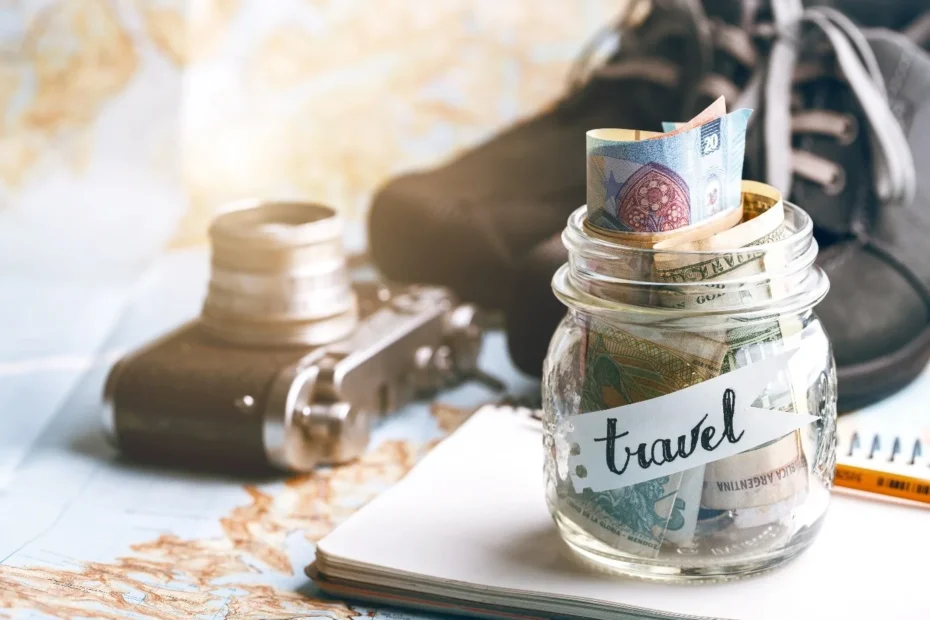
The charm of setting off for the next travel adventure is undeniable. Whether you’re a city person or love exploring hidden paths and nature, travelling always comes with expenses. The good news is you don’t need to rob the bank to see the world. With the right planning, organisation, and mindset, you can travel on a budget and still create lifelong memories. This article provides fundamental tips to help you fulfil your travel dreams.
TIP #1 PLAN AHEAD AND STAY FLEXIBLE
Spontaneous adventures are exciting, but on a small budget, planning is your secret weapon. Set a realistic budget, calculate how much you can spend or save, and consider hidden costs. When searching, never exceed your budget limits.
During peak tourist season, flights and accommodation are costly. Instead, travel in shoulder seasons (spring and fall), when crowds are smaller and prices lower. Compare dates and destinations – small changes can save a lot. Use tools like Skyscanner, Kiwi, or Google Flights to compare options and sign up for fare alerts.
Flying isn’t always the cheapest way to travel. Consider trains or buses – they may take longer but save money and reduce your carbon footprint.
Worth checking out:
- Google flights – compares airline prices and routes across carriers.
- Kiwi – combines flights from multiple airlines to create cheaper itineraries.
- Skyscanner – Compares flights, hotels, and car rentals for the best deals.
- Momondo – scans airlines and agencies for transparent price comparisons.
TIP #2: BOOK BUDGET-FRIENDLY ACCOMMODATION
Hotels can be a major expense, but plenty of alternatives help cut costs. Hostels are one of the best-known and most accessible budget options (today they attract not only backpackers but all kinds of travellers). Many offer single rooms and shared kitchens, letting you prepare meals and meet other travellers.
Renting through Airbnb or similar platforms is often cheaper than hotels and gives a more authentic local experience. Couchsurfing connects travellers with locals offering free stays, fostering cultural exchange – just remember to check references and preferably travel with a companion.
If you love nature, camping may be perfect. Modern campsites provide amenities like restrooms, showers, potable water, and even recreation facilities, making the outdoors more comfortable.
For animal lovers, pet sitting is an excellent option. Platforms like TrustedHousesitters let you care for pets and homes in exchange for free accommodation.
Worth checking out:
- Airbnb – budget stays in shared apartments or private rooms.
- Couchsurfing – free stays with locals, cultural exchange (requires trust & safety checks).
- Trustroots – Couchsurfing alternative, popular with slow travellers.
- Hotwire – last-minute hotel deals, sometimes luxury at hostel prices.
- Trivago – compares booking site prices.
- TrustedHousesitters – free stays for pet/house sitting.
TIP #3 EAT, MOVE & EXPLORE FOR LESS
Food can quickly drain your budget. Instead of eating out every meal, try street food, cook when possible, avoid tourist centre restaurants (just a few streets away, prices are often lower), bring pre-made snacks, and take full advantage of free breakfasts at your hotel.
Getting around doesn’t have to cost a fortune! Explore your surroundings on foot, rent a bike, and learn to navigate the local public transport system. Try carpooling with BlaBlaCar, avoid taxis and rental cars, as they’re usually the most expensive options.
When exploring new places, look for free attractions and landmarks. Many museums offer free entry on certain days, mainly weekdays, and students can visit some for free (e.g., the Louvre). Plan ahead to take advantage of these opportunities. Cities also often offer free or low-cost walking tours, a great way to learn about local history and culture.
Local events and festivals are another budget-friendly way to immerse yourself in culture while keeping costs low.
Worth checking out:
- HappyCow – find vegetarian/vegan dining and street food.
- Too Good To Go – buy unsold food at discounted prices.
- Rome2Rio – compare transport options (bus, train, ferry, plane).
- BlaBlaCar – carpooling app to share travel costs.
- GuruWalk – free, tip-based walking tours with locals.
- Meetup – discover free or low-cost events and activities.
Traveling on a budget doesn’t mean missing out – it’s about making smart choices and focusing on what matters most. With planning and the right mindset, you can see the world, create unforgettable memories, and gain deeper insights into yourself and the places you visit.
Safe and happy travels!
References:
https://www.stuwo.at/en/blog/cheap-travel-as-a-student/
https://www.southstatebank.com/personal/stories-and-insights/the-guide-to-traveling-on-a-budget
Wanderlust Without the Wallet Strain: Essential Tips for Traveling on a Budget